
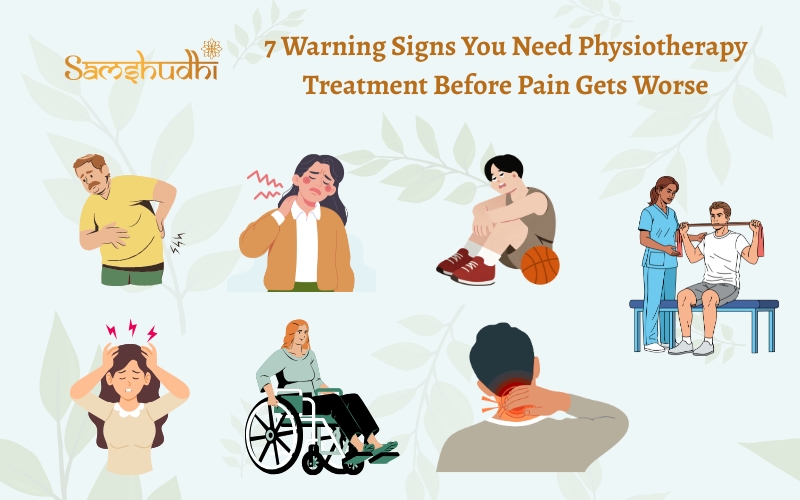
Physiotherapy Treatment is a clinically guided, non-invasive approach that helps restore movement, reduce pain, and improve physical function through targeted exercises, manual therapy, and evidence-based rehabilitation techniques. It is commonly recommended for musculoskeletal pain, sports injuries, posture-related strain, and post-surgical recovery. Recognizing early warning signs can prevent minor discomfort from progressing into chronic dysfunction or long-term mobility issues.
Pain is often the body’s first signal, but it is not always the most important one. Many patients in Gurgaon delay care until daily activities become difficult. The following signs indicate it may be time to consider professional evaluation.
1. Persistent Back Pain That Does Not Improve

Ongoing lower or upper back discomfort lasting more than 1–2 weeks is a strong indicator that structured physiotherapy treatment may be required. Back pain is often caused by poor posture, prolonged sitting, weak core muscles, or spinal alignment issues. Without guided correction, mild pain can evolve into chronic pain requiring longer recovery.
You may need physiotherapy for back pain if you experience:
- Stiffness in the morning lasting more than 30 minutes
- Pain radiating to hips or legs
- Difficulty bending or lifting objects
- Pain that worsens after sitting
Early intervention improves spinal mechanics and prevents disc stress. In many cases, supervised therapeutic exercise reduces the need for medication and shortens recovery time.
2. Recurrent Neck and Shoulder Pain Treatment Is Not Working
Neck stiffness and shoulder tightness are increasingly common among professionals working long hours on screens. If stretching or rest does not relieve symptoms, structured neck and shoulder pain treatment may be necessary.
Common causes include:
- Postural strain
- Cervical muscle imbalance
- Frozen shoulder
- Early nerve compression
Ignoring these symptoms may lead to restricted range of motion or nerve irritation. A physiotherapist evaluates joint mobility, muscle strength, and posture before designing a targeted rehabilitation plan. Addressing the root cause early prevents progression into chronic cervical pain syndromes.
3. Sports Injuries That Do Not Heal Properly
Minor sprains and muscle pulls should gradually improve within days. If pain persists, swelling remains, or strength does not return, sports injury physiotherapy is recommended.
Delaying care can lead to:
- Improper tissue healing
- Reduced athletic performance
- Recurrent injuries
Rehabilitation programs focus on restoring mobility, strength, balance, and neuromuscular control. For active individuals in Gurgaon, structured recovery ensures safe return to activity without long-term damage.
4. Pain Lasting More Than 3 Months (Chronic Pain Treatment)
Pain that continues beyond 12 weeks is medically classified as chronic. At this stage, the nervous system may become sensitized, making discomfort persist even after the original injury heals.
Signs you may need professional evaluation include:
- Pain that fluctuates but never fully resolves
- Increased discomfort with minimal activity
- Sleep disturbances due to pain
Structured chronic pain treatment through physiotherapy focuses on graded exercise, functional retraining, and pain modulation techniques. Early management prevents disability and reduces dependence on long-term medication.
5. Limited Mobility After Surgery
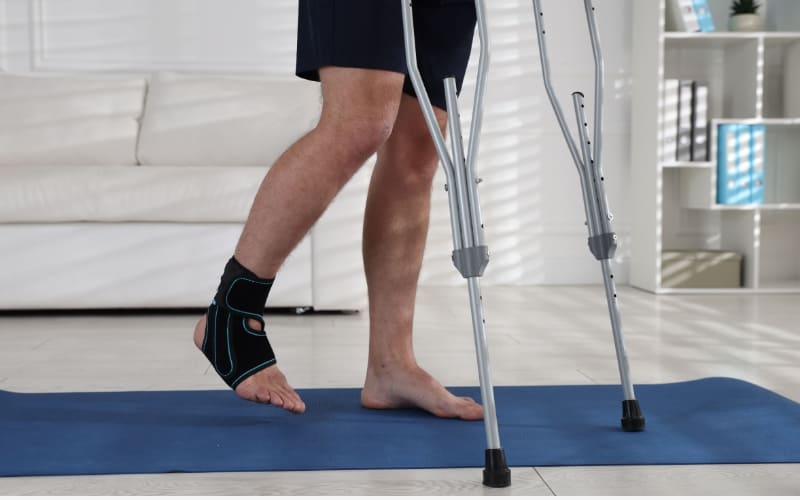
Recovery after orthopedic procedures requires supervised post-surgery rehabilitation therapy. Without guided movement, scar tissue formation and stiffness can restrict function.
Physiotherapy is commonly advised after:
- Knee replacement
- Ligament repair
- Shoulder surgery
- Spinal procedures
Rehabilitation restores joint movement, muscle strength, and balance safely. Attempting unsupervised exercises may delay recovery. Timely intervention improves surgical outcomes and reduces complications.
6. Frequent Muscle Tightness or Joint Stiffness
If everyday movements feel restricted, such as climbing stairs, reaching overhead, or turning your neck, underlying biomechanical imbalance may be present.
Early warning indicators:
- Reduced flexibility
- Clicking joints
- Difficulty standing after sitting
- Uneven posture
Many patients search for a “physiotherapy centre near me” only after pain intensifies. However, early correction improves alignment and prevents degenerative changes.
7. You Are Unsure When to See a Physiotherapist
A common question is when to see a physiotherapist. The answer is simple: if pain affects daily activities, sleep, posture, work performance, or sports participation, evaluation is justified.
Early assessment is particularly important if:
- Pain follows an accident
- There is numbness or tingling
- Symptoms interfere with mobility
In such cases, physiotherapy assessment may be recommended alongside medical evaluation.
What to Expect During Physiotherapy Treatment
A structured physiotherapy treatment program typically includes:
- Clinical assessment of posture, strength, and mobility
- Diagnosis of movement dysfunction
- Individualized rehabilitation plan
- Supervised therapeutic exercises
- Manual therapy if required
- Progress monitoring
Benefits may include improved mobility, reduced pain, better posture, and enhanced functional independence.
Potential risks are minimal but may include temporary soreness after sessions. A licensed physiotherapist ensures safe progression based on individual tolerance.
Local Care Context: Physiotherapy in Gurgaon
Access to qualified care matters. If you are searching for the best physiotherapist in Gurgaon, consider clinics that offer structured assessment, transparent treatment planning, and evidence-based rehabilitation protocols.
At Samshudhi, patients in Gurgaon receive integrated care combining physiotherapy with holistic wellness approaches when appropriate. This ensures recovery plans are personalized and clinically supervised.
Physiotherapy vs Delayed Care: Comparison
| Early Physiotherapy Treatment | Delayed Intervention |
| Faster recovery | Prolonged discomfort |
| Prevents chronic pain | Higher risk of complications |
| Restores mobility early | Reduced function over time |
| Lower medication reliance | Increased dependency on pain relief |
Frequently Asked Questions
1. How do I know if I need Physiotherapy Treatment?
If pain lasts more than 1-2 weeks, restricts movement, or interferes with daily tasks, professional assessment is advisable.
2. Can physiotherapy help without surgery?
Yes. Many musculoskeletal conditions improve with structured rehabilitation and may reduce the need for surgical intervention.
3. Is physiotherapy painful?
Therapy is designed to be tolerable. Mild soreness may occur but should not be severe or long-lasting.
4. How long does recovery take?
Recovery varies depending on condition severity, age, and consistency with exercises. Minor issues may improve within weeks.
Final Thoughts
Ignoring early warning signs can allow minor pain to become chronic dysfunction. Timely physiotherapy treatment supports safe recovery, improves movement, and protects long-term joint health. If symptoms persist or limit your daily activities, professional evaluation is a practical and preventive step.
Medical Disclaimer
This article is for educational purposes only and does not replace professional medical consultation. If you experience severe pain, neurological symptoms, or sudden injury, seek immediate medical attention. Always consult a qualified healthcare professional before starting any rehabilitation program.